


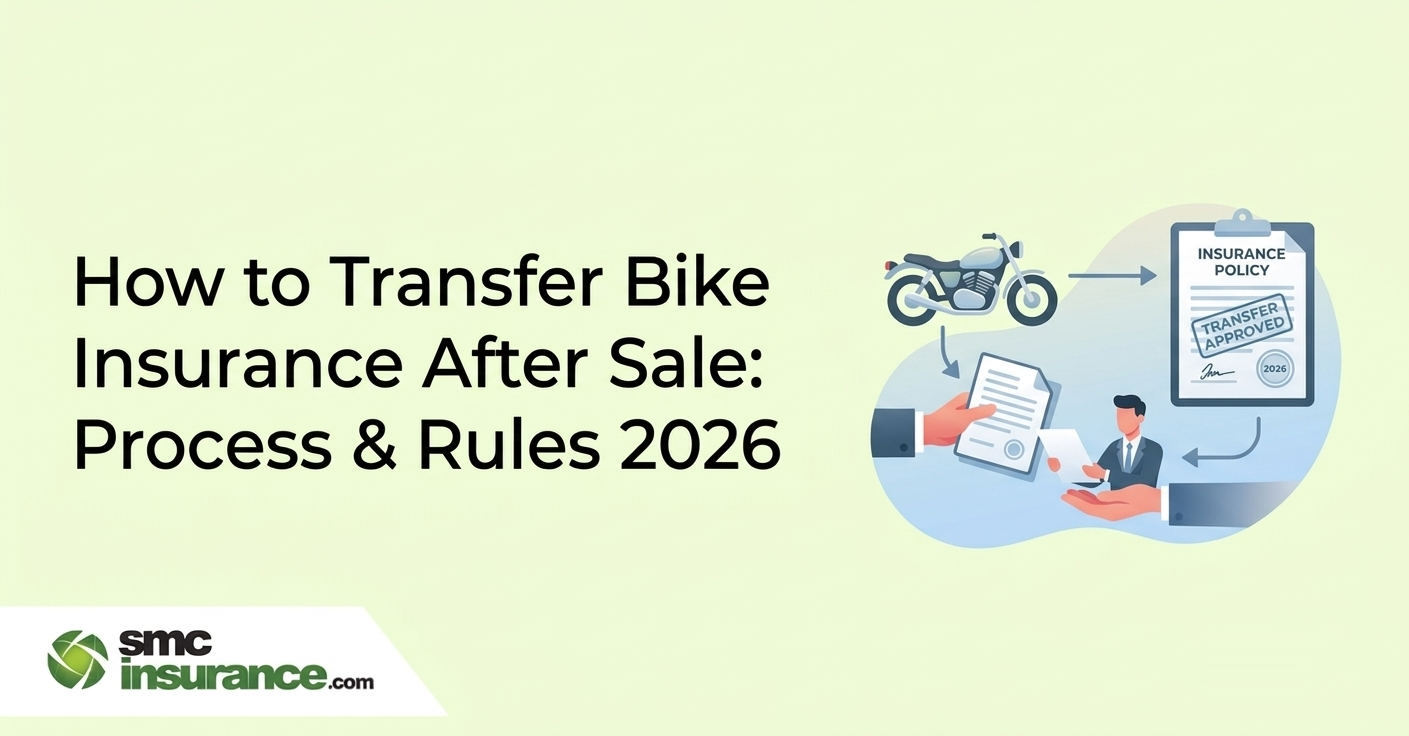
When you sell your bike in India, the third-party bike insurance transfers automatically to the new owner. However, comprehensive bike insurance does not fully transfer unless the buyer updates the policy with the insurer within 14 days. If not transferred, the original owner may still be linked to the policy, which can cause claim or legal issues.
You finally find a buyer for your bike. The price feels fair. Papers get signed, money lands in your account, and you hand over the keys. Done deal, right?
Not quite! Most sellers in India assume that once ownership changes, their bike insurance is no longer their concern. That assumption has caused real trouble. In many cases, the seller is being dragged into a liability dispute because the insurance was never transferred after sale. The bike had changed hands, but the paperwork hadn’t caught up.
Here’s the thing. Insurance does not automatically follow ownership in a clean, legal sense unless you complete the transfer properly. Miss that step, and you may still be tied to risks you thought you’d left behind. Here, you’ll know exactly what happens to your policy, what you must do next, and how to avoid costly mistakes.
What Actually Happens To Bike Insurance After You Sell Your Bike?
Selling a bike transfers ownership. But your bike insurance policy sits in a grey zone until formally updated. As per Section 157 of the Motor Vehicles Act, 1988, the certificate of insurance and policy are deemed to be transferred to the new owner from the date of vehicle transfer. Sounds simple. The catch lies in how coverage works.
The third-party liability cover is automatically transferred to the new owner under Section 157 of the Motor Vehicles Act, ensuring continuity of legal liability coverage. However, as per the India Motor Tariff (GR-17), only the third-party liability cover is automatically transferred. The own damage (comprehensive) cover is transferred only after the insurer endorses the policy in the new owner’s name.
If the buyer doesn’t initiate the transfer, your name can remain linked to the policy. And that can create legal and financial confusion later.
Third-Party Vs Comprehensive Cover After A Sale
The difference matters more than most people realise. Here’s a clear breakdown:
|
Coverage Type |
What Happens After Sale |
Who Is Protected Immediately |
Best For |
|
Automatically transfers to buyer |
New owner |
Legal compliance |
|
|
Requires formal transfer with insurer |
Not valid for the new owner until policy transfer is endorsed by the insurer |
Full protection including own damage |
|
|
Add-ons (Zero dep, etc.) |
May lapse or need re-evaluation |
Depends on insurer |
Enhanced coverage seekers |
Note: Data may vary based on insurer policies and regulatory updates.
Here’s where it gets tricky. If the buyer crashes the bike before updating the comprehensive policy, claims can get rejected or disputed. The insurer may reject own damage claims if the policy has not been transferred to the new owner, even if the vehicle ownership has changed.
Important Note: Even if ownership is transferred at the RTO, insurance transfer is a separate process. Both must be completed for full legal clarity.
Why Skipping The Transfer Step Can Backfire?
Picture this. You sold your bike six months ago. One day, you receive a legal notice. The bike was involved in an accident. The insurance policy still carries your name.
Annoying? Yes.
Avoidable? Also yes.
Insurance companies rely on policy records, not just RTO data. If the policy isn’t updated, liability trails can still point back to you. There’s also a financial angle. If the buyer fails to transfer the policy, the buyer may not have valid own damage coverage until the policy is transferred or a new policy is purchased. That raises risks for both sides.
How To Transfer Bike Insurance Online After A Sale?
The good part? You don’t need to run around offices anymore. Most insurers allow you to complete the process through bike insurance online portals.
Here’s how it works:
Step-By-Step Process To Transfer Bike Insurance
- Notify the insurer immediately: Visit your insurer’s official website. The transferee must apply to the insurer within 14 days of ownership transfer to update the policy, as required under Section 157(2) of the Motor Vehicles Act. Delay beyond this window can complicate claims.
If the policy is not transferred within this period, the new owner may not be eligible for own damage claims, and even third-party coverage may face complications beyond the initial period.
- Submit required documents: You’ll need Form 29 and Form 30 (ownership transfer forms), a copy of the RC, sale agreement, and the buyer’s KYC documents. Some insurers also ask for inspection photos.
The buyer must submit a formal request along with required documents (Form 29, Form 30, RC copy, and policy document), after which the insurer verifies details and issues an endorsement reflecting the new ownership. The new owner must formally request policy transfer. This step confirms acceptance of terms and updated risk profile.
- Pay transfer fee and premium difference: Insurers may charge a nominal fee. If the buyer’s profile differs, the premium may change slightly.
- Receive updated policy document: The insurer issues a revised policy in the buyer’s name. Until this happens, coverage remains incomplete.
Quick Tip: Always keep a signed delivery note with date and time of sale. It acts as proof if any dispute arises before insurance transfer is completed.
Can You Cancel Your Bike Insurance Instead Of Transferring It?
Yes, but only in specific situations. If the buyer chooses to purchase bike insurance separately, you can cancel your existing policy. In such cases, insurers may offer a refund for the unused period based on short-period rates and policy terms approved under IRDAI regulations.
Refunds depend on the policy type and duration. Short-term policies usually have limited or no refund. Long-term policies may offer pro-rata returns after deducting charges. But here’s a question worth asking. Why cancel when the buyer can benefit from an existing valid policy? Transferring often makes more sense financially for both parties.
Should The Buyer Keep Your Existing Policy Or Buy Bike Insurance Fresh?
Buyers often face this choice. Keeping the existing policy is quicker. No need to buy bike insurance online again. However, the coverage may not suit their needs.
Buying a fresh policy gives full control. The buyer can add zero depreciation cover, roadside assistance, or higher IDV. Here’s a simple comparison:
|
Option |
Pros |
Cons |
Best For |
|
Transfer existing policy |
Faster, cheaper |
Limited customisation |
Budget-conscious buyers |
|
Purchase new policy |
Tailored coverage, new add-ons |
Higher upfront cost |
Long-term ownership |
Note: Policy terms and pricing vary across insurers and user profiles.
If you’re unsure whether to transfer or cancel, take a minute and compare options online. A quick check on SMC Insurance can help you see pricing and features side by side before making a call.
What Happens to No Claim Bonus (NCB)?
The No Claim Bonus (NCB) remains with the original policyholder and does not transfer with the vehicle. The seller can use it when purchasing a new vehicle or policy, while the buyer must start without NCB.
Real-World Oversight Most Sellers Ignore
A small irony here. People negotiate thousands of rupees on resale value but overlook paperwork that can cost far more later.
Delays in transferring insurance after vehicle sale are commonly observed and can lead to claim disputes and legal complications. Here’s what most people miss. Selling the bike is only half the transaction. Closing the insurance loop completes it.
Wrapping Up,
Selling your bike doesn’t end your responsibility the moment you hand over the keys. Your bike insurance continues to sit in your name until it is properly transferred or cancelled. Third-party cover shifts automatically, but comprehensive cover needs action. Skip that step, and you leave room for disputes, rejected claims, or even legal notices.
A simple process, done on time, prevents all of that. Close the loop, transfer the policy or cancel it properly.
Disclaimer:The information provided on this platform is intended for general awareness and educational purposes. While every effort is made to ensure accuracy, some details may change with policy updates, regulatory revisions, or insurer-specific modifications. Readers should verify current terms and conditions directly with relevant insurers or through professional consultation before making any decision.
All views and analyses presented are based on publicly available data, internal research, and other sources considered reliable at the time of writing. These do not constitute professional advice, recommendations, or guarantees of any product’s performance. Readers are encouraged to assess the information independently and seek qualified guidance suited to their individual requirements. Customers are advised to review official sales brochures, policy documents, and disclosures before proceeding with any purchase or commitment.
FAQs
The third-party portion transfers automatically under law. Comprehensive insurance requires formal transfer through the insurer. Until updated, the original owner may still be linked to the policy.
Yes, the Motor Vehicles Act expects continuity of insurance. Failing to transfer the policy can lead to claim issues and potential legal complications.
You can cancel it if the buyer chooses to buy a new policy. Insurers may offer a refund for the unused period, depending on policy terms.
Typically, insurers expect the transfer within 14 days of ownership change. Delays can affect claim eligibility and create liability confusion.
Yes, the buyer can purchase bike insurance online instead of transferring the old policy. This allows them to customize coverage and add benefits.
Only third-party insurance transfers automatically. Comprehensive coverage requires active transfer with the insurer to remain valid.


