


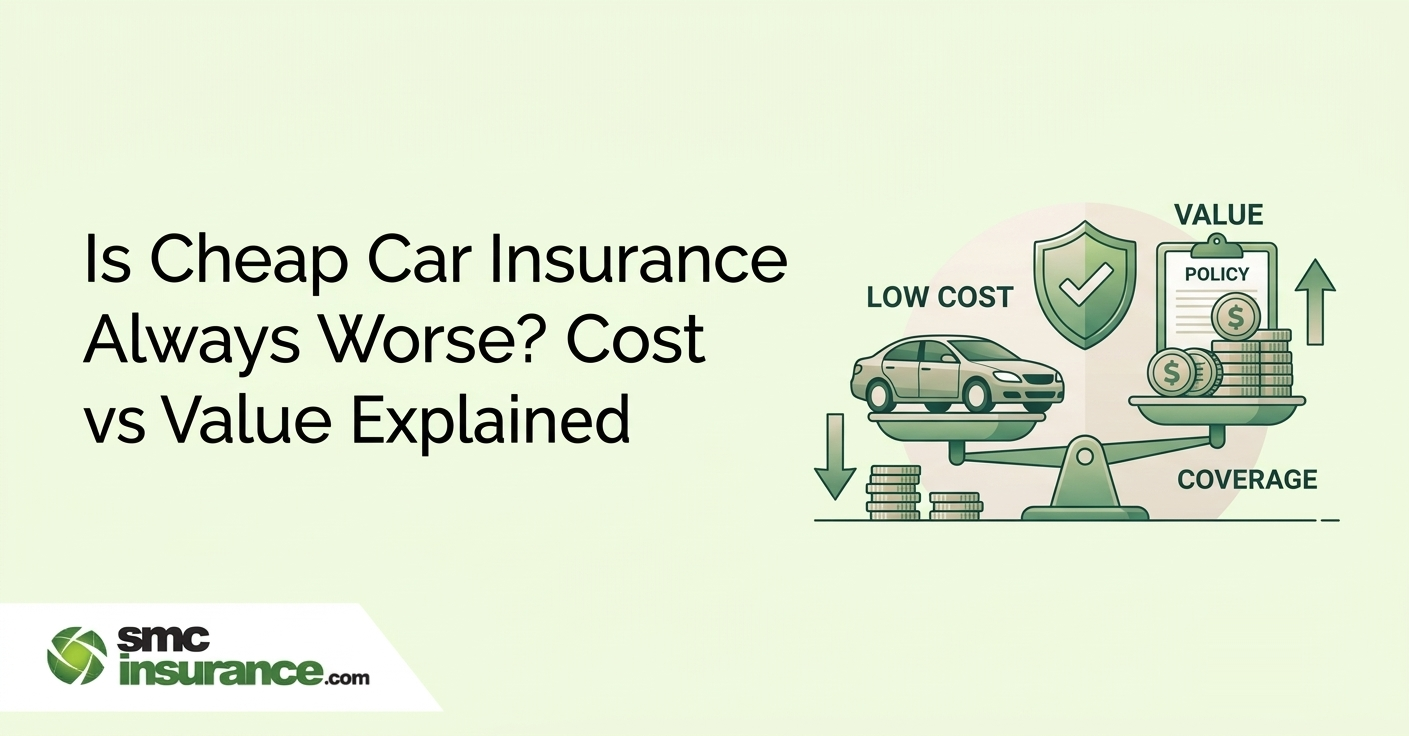
Cheap car insurance is not always worse, but it often comes with limited coverage, higher deductibles and stricter claim conditions. While it can save money upfront, it may lead to higher out-of-pocket costs during repairs or accidents. The best car insurance balances affordability with adequate coverage, reliable claim settlement and essential add-ons like zero depreciation.
The renewal message pops up on your phone late at night. Rs. 7,800 for your current policy. Then you check a comparison site and spot another plan for Rs. 4,900. Same car, same year, same city. You pause. That price gap feels too good to ignore. Most first-time buyers chase that lower number. It makes sense. Why pay more for the same car insurance, right? But here’s where it gets tricky. Two policies that look identical on the surface can behave very differently when you actually need them.
India saw over 4.6 lakh road accidents in a recent year, according to government data. Claims are not rare events. They’re part of the ownership cycle. So the real question is not just what you pay today, but what you get when something goes wrong.
By the end of this article, you’ll know when cheap car insurance is a smart choice and when it quietly becomes expensive.
What “Cheap Car Insurance” Actually Includes
Low premiums don’t appear out of nowhere. Insurers trim costs somewhere. Often in places that aren’t obvious during purchase. IRDAI allows insurers to offer separate policies such as stand-alone Own Damage cover and third-party cover, giving customers flexibility to choose coverage components.
Start with coverage scope. A cheaper policy may limit add-ons like zero depreciation, engine protection, or roadside assistance. They change how much you pay out of pocket after a claim. Then there’s the deductible. Some policies push higher compulsory deductibles to reduce premiums. That means you pay more during repairs.
Think of it this way. You save Rs. 3,000 today. But a single claim could cost you Rs. 15,000 more later.
A quick breakdown helps:
|
Feature |
Cheap Policy (Typical) |
Mid-Range Policy |
Premium Policy |
Best For |
|
Premium Cost |
Low |
Moderate |
High |
Budget-focused buyers |
|
Add-ons Included |
Minimal |
Select add-ons |
Comprehensive |
Full protection seekers |
|
Deductible |
Higher |
Moderate |
Lower |
Frequent drivers |
|
Claim Settlement Support |
Basic |
Standard |
Priority |
Stress-free claims |
|
Network Garages |
Limited |
Wider |
Extensive |
Metro users |
Note: Prices, features and availability vary by insurer and city.
Here’s what most people miss. Cheap plans often look complete until you read the exclusions section. That’s where the real story sits.
The Real Cost Of Car Insurance Shows Up During Claims
Buying is easy but claiming is where the difference becomes obvious. A study referenced by accident recovery experts highlights delays and disputes as a common issue with low-cost insurers. Not every company behaves the same, but patterns exist.
Picture this: you unfortunately get into a minor accident. Repair estimate: Rs. 28,000. Standard policies apply depreciation on parts such as plastic, rubber and metal as per IRDAI-defined depreciation rates, unless covered by add-ons like zero depreciation. You pay Rs. 9,000 extra.
Now compare that with a zero-depreciation plan. Same accident but our out-of-pocket cost: almost zero.
The irony? The “expensive” policy ends up cheaper.
Here’s a real-world angle. A recent case reported by The Indian Express showed how a Tamil Nadu vehicle owner lost a Rs. 22 lakh claim despite having valid insurance, simply due to a policy breach and documentation issue.
Important Note: A low premium does not guarantee poor service, but insurers with extremely low pricing often control costs through tighter claim rules, fewer garages, or stricter documentation checks.
Cheap Vs Best Car Insurance: Where The Difference Really Lies
Not all cheap policies are bad. The key is knowing what you’re comparing. The best car insurance balances three things: coverage depth, claim reliability and price. Here’s how to think about it. Cheap insurance works well if:
- You drive occasionally
- Your car is older
- You can afford higher out-of-pocket repairs
But it becomes risky if:
- Your car is new or financed
- You drive daily in city traffic
- You want predictable claim outcomes
Ask yourself one thing. If your car is damaged tomorrow, would you rather save Rs. 3,000 today or avoid a Rs. 20,000 surprise later? That answer often decides your policy type.
What Drives The Price Difference In Car Insurance Plans
Insurance pricing is not random. It follows clear inputs. Insurers calculate premium based on:
- Insured Declared Value (IDV)
- Location risk (metro vs smaller city)
- Add-ons selected
- Claim history
- Car model and repair cost trends
Here’s where it gets interesting. Two policies with similar premiums can still differ widely in claim experience because of internal processes. Some insurers invest heavily in:
- Faster approvals
- Larger garage networks
- Digital claim tracking
- Others compete mainly on price.
Quick Tip: Check the claim settlement ratio and average turnaround time before buying. IRDAI publishes insurer data. Numbers tell you more than marketing.
Typical Price Comparison Across Policy Types In India
Let’s put real numbers into perspective for a mid-range hatchback in Chennai.
|
Policy Type |
Annual Premium Range |
Add-ons Included |
Out-of-Pocket Risk |
Best For |
|
Rs. 2,000 – Rs. 3,500 |
None |
Very High |
Mandatory for all vehicles under Indian law and is regulated by IRDAI. It covers liabilities towards third-party injury, death or property damage. |
|
|
Rs. 4,500 – Rs. 7,000 |
Limited |
Moderate |
Budget-conscious users |
|
|
Comprehensive + Add-ons |
Rs. 7,500 – Rs. 12,000 |
Zero-dep, RSA, Engine |
Low |
Daily drivers |
Note: Premiums vary based on vehicle age, IDV and insurer underwriting.
Struggling to pick between saving money now or avoiding future repair stress? It helps to compare plans side by side instead of guessing. You can explore options at SMC Insurance and see how features stack up in real terms.
How To Choose The Best Car Insurance Without Overpaying
There’s a simple way to avoid both extremes.
- Start with your usage pattern: Drive daily in city traffic? Go for broader coverage. Occasional use? You can scale down add-ons.
- Set a realistic IDV: Don’t blindly lower IDV to reduce premium. It directly affects claim payout. Too low and you lose money during total loss.
- Pick 2–3 meaningful add-ons: Zero depreciation is almost always worth it for cars under five years. Engine protection helps in flood-prone cities like Chennai.
- Check network garages: More garages mean easier cashless claims. Look for locations near your home and office.
- Read exclusions carefully: Not the most exciting step, but it prevents surprises. Focus on depreciation rules and claim limits.
Miss this process and you risk buying a policy that looks good only until the first claim.
The Hidden Trade-Offs Of Going Too Cheap
Cheap policies often create friction at three points:
- First, documentation. Some insurers require stricter paperwork for approval. Even small delays can stall claims.
- Second, settlement caps. Certain parts or repairs may have limits.
- Third, service quality. Fewer garages can mean longer wait times.
None of these show up clearly during purchase. That’s the gap most buyers don’t see.
IRDAI continues to standardise motor insurance products, improve transparency in policy wordings and strengthen claim settlement practices to protect policyholders.
Must-Read Guides From SMC
Summing Up,
Cheap car insurance is not automatically worse. But it is rarely the full story. Lower premiums come from reduced coverage, higher deductibles, or tighter claim rules. For some drivers, that trade works fine. For many others, it leads to higher costs later.The smart move sits in the middle. Choose a policy that covers your real risks without paying for extras you don’t need. Look beyond the price, compare features and think about claims, not just premiums. That’s how you actually save money.
Disclaimer:The information provided on this platform is intended for general awareness and educational purposes. While every effort is made to ensure accuracy, some details may change with policy updates, regulatory revisions, or insurer-specific modifications. Readers should verify current terms and conditions directly with relevant insurers or through professional consultation before making any decision.
All views and analyses presented are based on publicly available data, internal research, and other sources considered reliable at the time of writing. These do not constitute professional advice, recommendations, or guarantees of any product’s performance. Readers are encouraged to assess the information independently and seek qualified guidance suited to their individual requirements. Customers are advised to review official sales brochures, policy documents, and disclosures before proceeding with any purchase or commitment.
FAQs
Yes, if the insurer is reliable and the coverage fits your needs. Problems arise when low price comes from reduced benefits or stricter claim terms.
Lower IDV, fewer add-ons, or higher deductibles can reduce premium. It doesn’t always mean a bad policy, but you should review what’s missing.
A comprehensive plan with zero depreciation and roadside assistance usually works well. It balances cost and protection.
Not directly, but cheaper policies may have stricter conditions. That can slow approvals or reduce payout amounts.
Choose only essential add-ons, maintain a clean driving record and compare insurers. Avoid cutting IDV too much.
Legally yes, but financially risky. It does not cover your own car damage, which can lead to high repair costs.


