


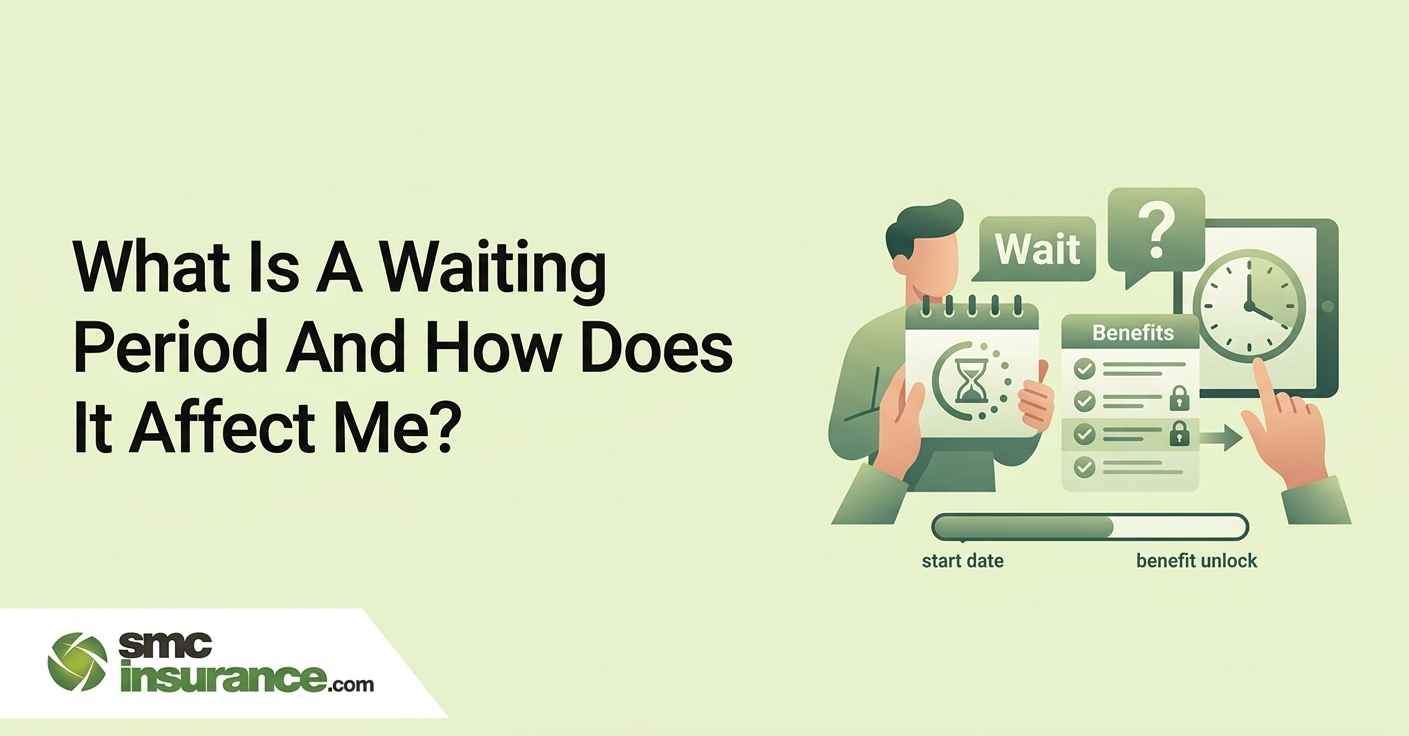

A waiting period in health insurance is the time you must wait after buying a policy before you can claim benefits for certain illnesses or treatments. During this period, the policy is active but the insurer will not cover specific medical expenses.
Most health insurance plans in India include a 30-day initial waiting period for illnesses, while accidents are covered from day one. Pre-existing diseases like diabetes or hypertension usually have a 2 to 4 year waiting period, and certain treatments such as cataract surgery or hernia may have a specific waiting period of around 24 months.
Waiting periods help insurers prevent misuse of policies and keep premiums affordable. Some insurers offer add-ons that can reduce these waiting periods by paying a higher premium.
When you first pick up a health insurance policy, it’s natural to feel a sense of relief. You’ve done the responsible thing. You’ve signed the papers, paid the premium and now you have a safety net for those "just in case" moments. But then, you dig into the fine print and see a term that sounds a bit like a penalty: the Waiting Period.
It’s one of those things that can feel incredibly frustrating if you don’t know it’s coming. Imagine filing a claim for a surgery you genuinely need, only to have the insurer say, "Sorry, you haven't held the policy long enough for us to cover this yet." To help you avoid that specific brand of heartbreak, let’s break down what a waiting period actually is, why it exists and how it shapes the way you’ll use your insurance.
What Exactly is a Waiting Period?
Think of a waiting period as a "hibernation phase" for your insurance benefits. During this time, you are technically insured. Your policy is active and you’re paying for it, but the insurance company won't provide a claim for certain medical expenses. It’s a time gap between the day your policy starts and the day you can actually use it for specific treatments. If you fall ill with something covered under a waiting period before that time is up, the cost comes out of your own pocket.
Insurers use these periods to prevent people from buying a policy only when they know they have an expensive surgery scheduled for next week. Without these rules, insurance premiums would skyrocket for everyone because the "risk" would be impossible to manage.
The Different Waiting Periods You Need to Know
Not all waiting periods are the same. Depending on the condition, the waiting period might be 30 days, or it might be four years. Here’s the breakdown of the different timelines you’ll encounter.
- The Initial 30-Day Waiting Period
This is the most common one. Almost every health insurance policy in India comes with a standard 30-day waiting period starting from the policy's inception. During these first four weeks, you cannot claim for any "regular" illnesses. If you catch a severe viral flu, need a sudden appendix removal, or require hospitalization for a chest infection, the insurer won't pay.
The Big Exception - Accidents. Insurance companies aren't heartless. They know you can’t predict a road accident or a sudden fall. Because of this, accidental injuries are covered from Day 1. The 30-day rule only applies to biological illnesses.
- The Pre-existing Disease (PED) Waiting Period
This is the one that causes the most confusion. A pre-existing disease is any health condition you had before you bought the policy. This could be something as common as high blood pressure, diabetes, or asthma. Insurers usually ask you to wait anywhere from 2 to 4 years before they cover expenses related to these conditions.
Example: If you have diabetes and buy a plan with a 3-year PED wait, any hospitalization caused by diabetic complications won't be covered until you’ve renewed that policy for the fourth time.
- Specific-Disease Waiting Periods
There is a specific list of medical conditions that insurers categorize as "slow-growing." These aren't always pre-existing, but they aren't sudden emergencies either. Most companies have a fixed 24-month waiting period for things like: -
- Cataracts
- Kidney or Gallbladder stones
- Hernias
- Joint replacements (unless caused by an accident)
- Piles or Sinusitis
Even if you were perfectly healthy when you bought the plan, if you develop a cataract 18 months in, you’ll likely have to wait another 6 months before the insurance company pays for the surgery.
- Maternity and Newborn Cover
If you’re planning to start a family, you need to look at your policy way in advance. Maternity Cover benefits almost always come with a waiting period ranging from 9 months to 4 years. You can’t buy a policy while pregnant and expect the delivery costs to be covered. The "clock" needs to have run out before the baby arrives.
How Waiting Periods Affect Your Wallet?
The most direct impact is, of course, the out-of-pocket expense. If you hit a medical snag during a waiting period, you’re back to square one - paying the hospital bills yourself.
But there’s a secondary impact: Portability. If you decide to switch your insurance provider (move from Company A to Company B), you don't necessarily have to start your waiting periods all over again. Under IRDAI rules, you get "credit" for the time you’ve already spent.
If you spend 2 years with Company A and move to Company B, your 2-year waiting period for specific ailments is usually considered "served." This is a huge win for consumers.
Can You Bypass or Reduce the Wait?
Waiting four years for coverage feels like an eternity. The good news is that the insurance market is getting more competitive and there are now ways to "speed up" the clock.
- The Power of "Waivers"
Many modern plans offer what’s called a PED Waiver Add-on. When you buy your policy, you can choose to pay a slightly higher premium in exchange for reducing your waiting period. At SMC Insurance, we often see clients reduce a 4-year wait down to just 1 year by choosing the right rider. It costs a bit more today, but it provides massive peace of mind if you have a chronic condition.
- Group Insurance vs. Individual Insurance
If you have health insurance through your employer (a Group Policy), the waiting periods are often waived entirely. This is one of the biggest perks of corporate cover - you’re often covered for everything from Day 1. However, remember that the moment you leave that job, that cover vanishes. This is why we always recommend having a personal plan alongside your office one.
Why is "Wait and See" a Dangerous Strategy?
The biggest mistake people make is waiting for a "sign" to buy insurance. They wait until they feel a dull ache in their knee or until their blood sugar levels start creeping up.
The problem? Once you have the symptom, it becomes a pre-existing disease.
If you buy insurance while you are 25 and healthy, you breeze through those 2 to 4 years of waiting periods without even noticing. By the time you’re 30 and might actually need the cover, all your waiting periods are long gone. You have "full" protection. If you wait until you're 45 to buy insurance, you’re likely already dealing with some health issues. Now, you’re stuck paying premiums for 4 years while still paying your own doctor bills for the very thing you’re worried about.
How to Check Your Own Health Insurance Policy?
Don’t wait for a hospital admission to find out where you stand. Here is how you can check your status right now:
- Check the Policy Schedule: This is the one-page summary of your plan. It usually lists the PED waiting period clearly.
- Read the "Exclusions" Section: Look for "Initial Waiting Period" and "Specific Ailment Exclusions."
- Ask About the "Survival Clause": Some critical illness plans have a "survival period" (usually 30 days) where the insured must survive for a certain period after diagnosis before the payout is made.
Navigating the Fine Print with SMC Insurance
We know this sounds like a lot of jargon. Between PEDs, initial waiting periods and maternity clocks, it’s easy to get overwhelmed. That’s exactly why we’re here.
At SMC Insurance, we don't just hand you a policy and wish you luck. Our platform is designed to help you compare the waiting periods of different insurers side-by-side. We partner with the leading names in the industry to give you options (whether you're looking for a plan that covers diabetes from Day 1 or a budget-friendly plan with a standard waiting period). Our goal is to make sure that when you do need to visit a hospital, the only thing you’re worried about is getting better and not checking your watch to see if your coverage has started yet.
Must-Read Guides From SMC
- ABHA Card (Ayushman Bharat Health Account)
- Room Rent Limits and Proportionate Deduction
- How Room Rent Limit Reduces Claims
- Top Health Insurance Companies
- Health Insurance Plans for Family
- How can I avoid health insurance claim rejection?
- When Does a Health Insurance Claim Get Rejected?
- Health Insurance Plans That Look Cheap But Cost More During Claims
- Does health insurance cover pre-existing diseases like diabetes, BP, thyroid?
- How an Acidity Prescription in 2023 Can Void Your 2026 Heart Claim
- Policy Clauses that reduce claim payout
Wrapping Up,
A waiting period isn't a "no" - it's just a "not yet." Understanding these timelines is the difference between a smooth claim process and a rejected one. Be honest about your health history when applying, read your policy document during the 15-day free-look period and most importantly, start early. And remember, the best time to start a waiting period was yesterday. The second best time is today.
Disclaimer:The information provided on this platform is intended for general awareness and educational purposes. While every effort is made to ensure accuracy, some details may change with policy updates, regulatory revisions, or insurer-specific modifications. Readers should verify current terms and conditions directly with relevant insurers or through professional consultation before making any decision.
All views and analyses presented are based on publicly available data, internal research, and other sources considered reliable at the time of writing. These do not constitute professional advice, recommendations, or guarantees of any product’s performance. Readers are encouraged to assess the information independently and seek qualified guidance suited to their individual requirements. Customers are advised to review official sales brochures, policy documents, and disclosures before proceeding with any purchase or commitment.
FAQs
A waiting period is the time between when your policy starts and when you can claim for certain treatments or conditions. During this period, the policy is active but specific medical expenses are not covered.
Most health insurance policies include a 30-day waiting period from the start date. During these 30 days, claims for illnesses are usually not allowed, but accidents are covered from day one.
A pre-existing disease waiting period is the time you must wait before the insurer covers medical costs related to conditions you had before buying the policy, such as diabetes or hypertension. This usually ranges from 2 to 4 years.
Yes, certain treatments like cataract surgery, hernia, kidney stones, or joint replacements often have a specific waiting period, usually around 24 months, even if the condition develops after buying the policy.
In some cases, yes. Certain policies offer add-ons that reduce waiting periods if you pay a higher premium. Employer group insurance plans may also waive waiting periods for many conditions.


